
Academic Context & Achievements
OSOM was developed as part of the Interactive Media module during my minor in Creative Technology at the University of Twente. This module focuses on the end-to-end design and technical execution of interactive media experiences, culminating in this game prototype.
We built this game in just 3 days for the University of Twente Game Jam, which had the theme “It’s about perspective(s)”. I teamed up with three other students who handled the level design and 3D modeling (mostly piecing together free online asset packs), while I took charge of the main programming and structuring the game’s logic.
It ended up being a huge success! We took home 2nd Place Overall, and we even won the “Best Execution” award out of 32 different games reviewed by our peers, teaching assistants, and lecturers.
If you want to try it out yourself, you can play OSOM on Itch.io ↗.
Media Gallery
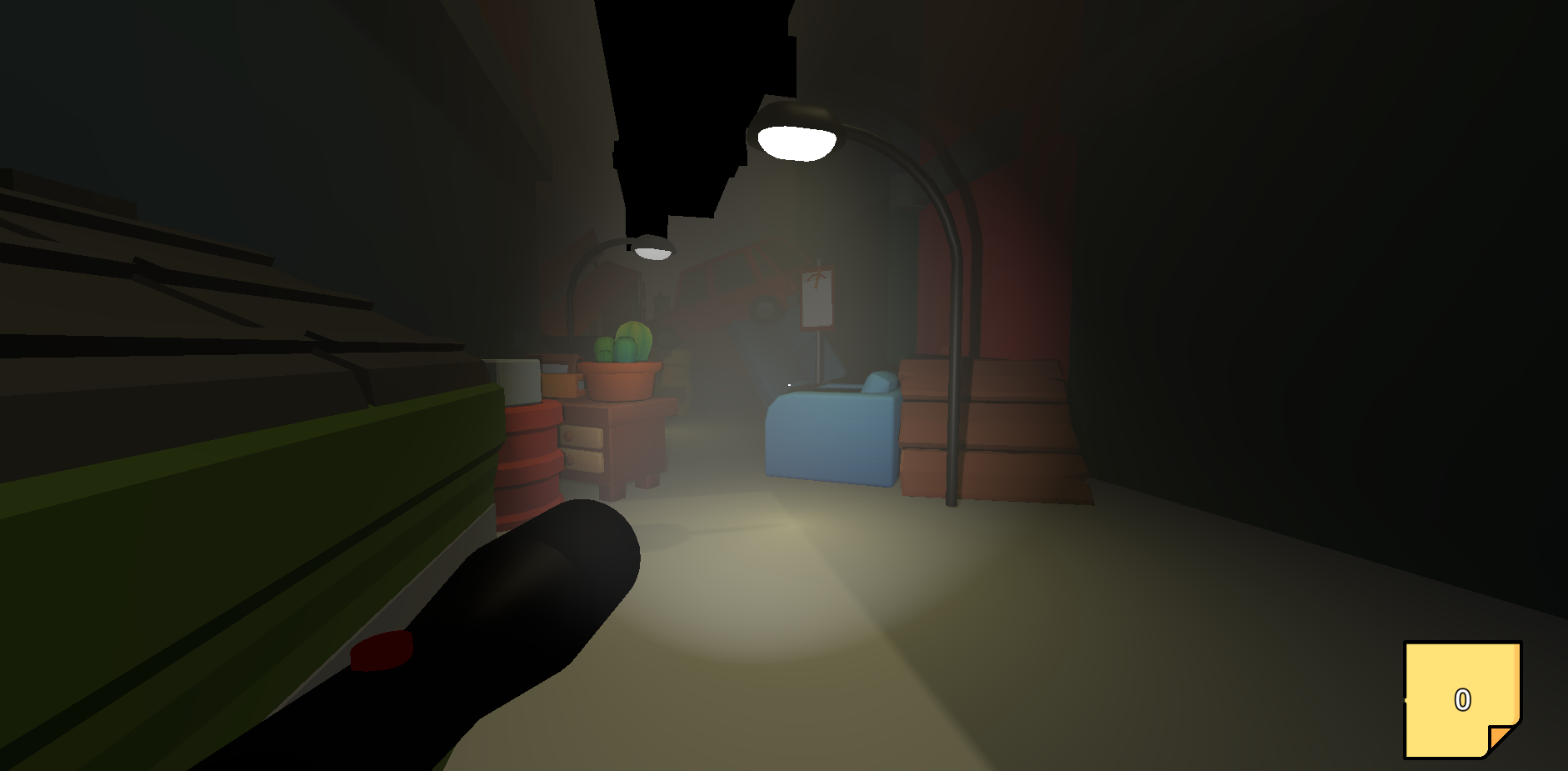
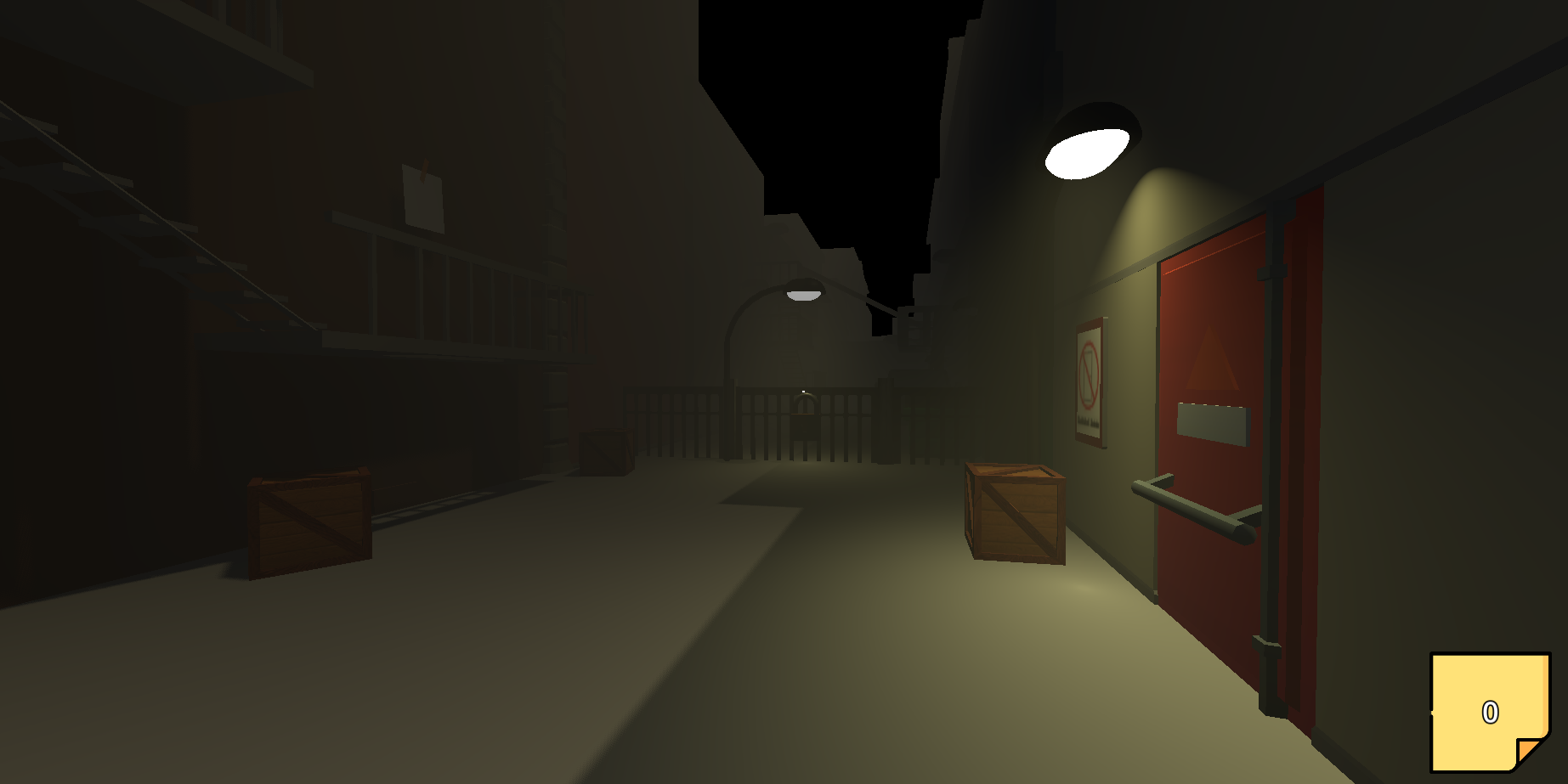
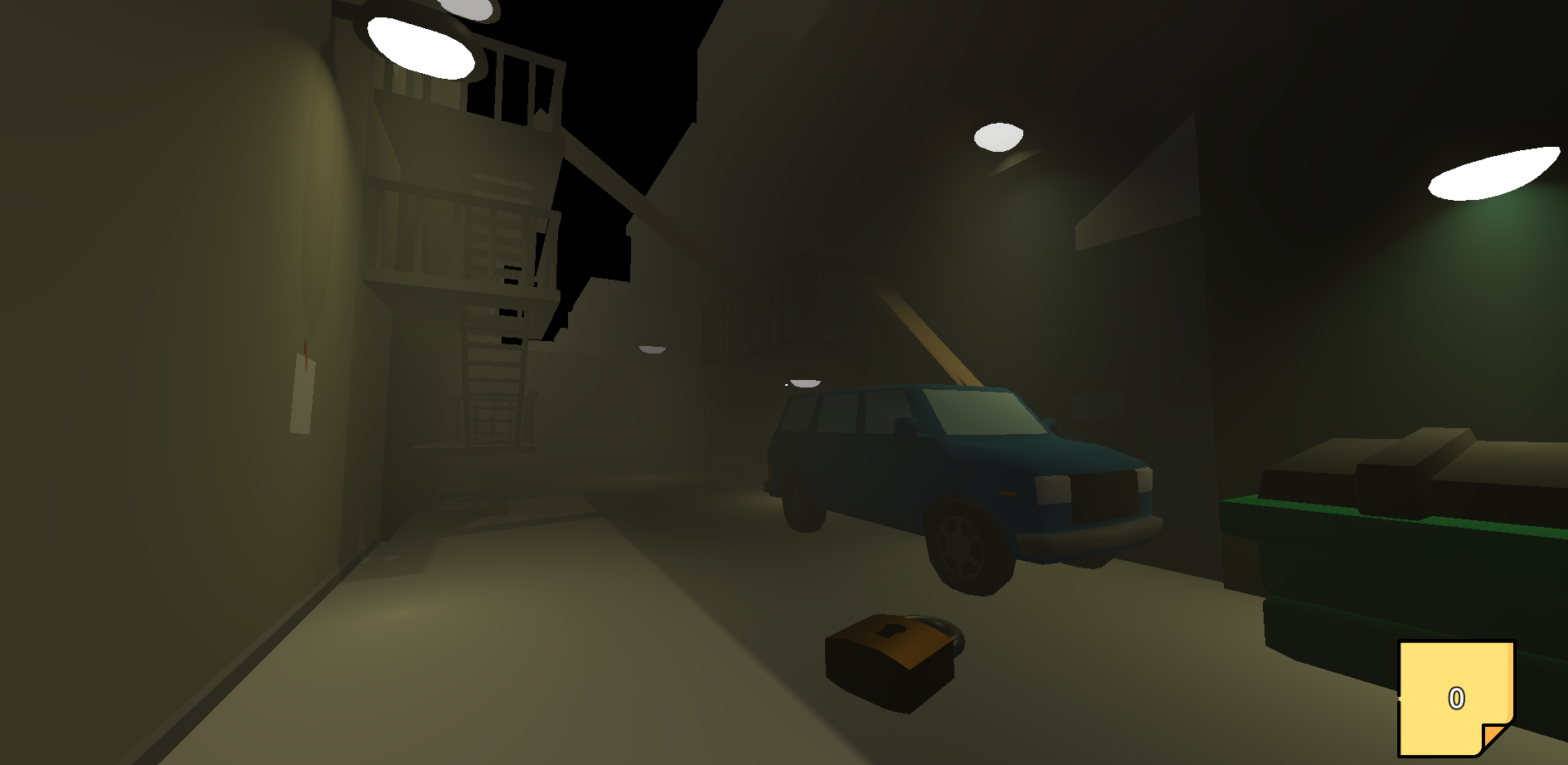
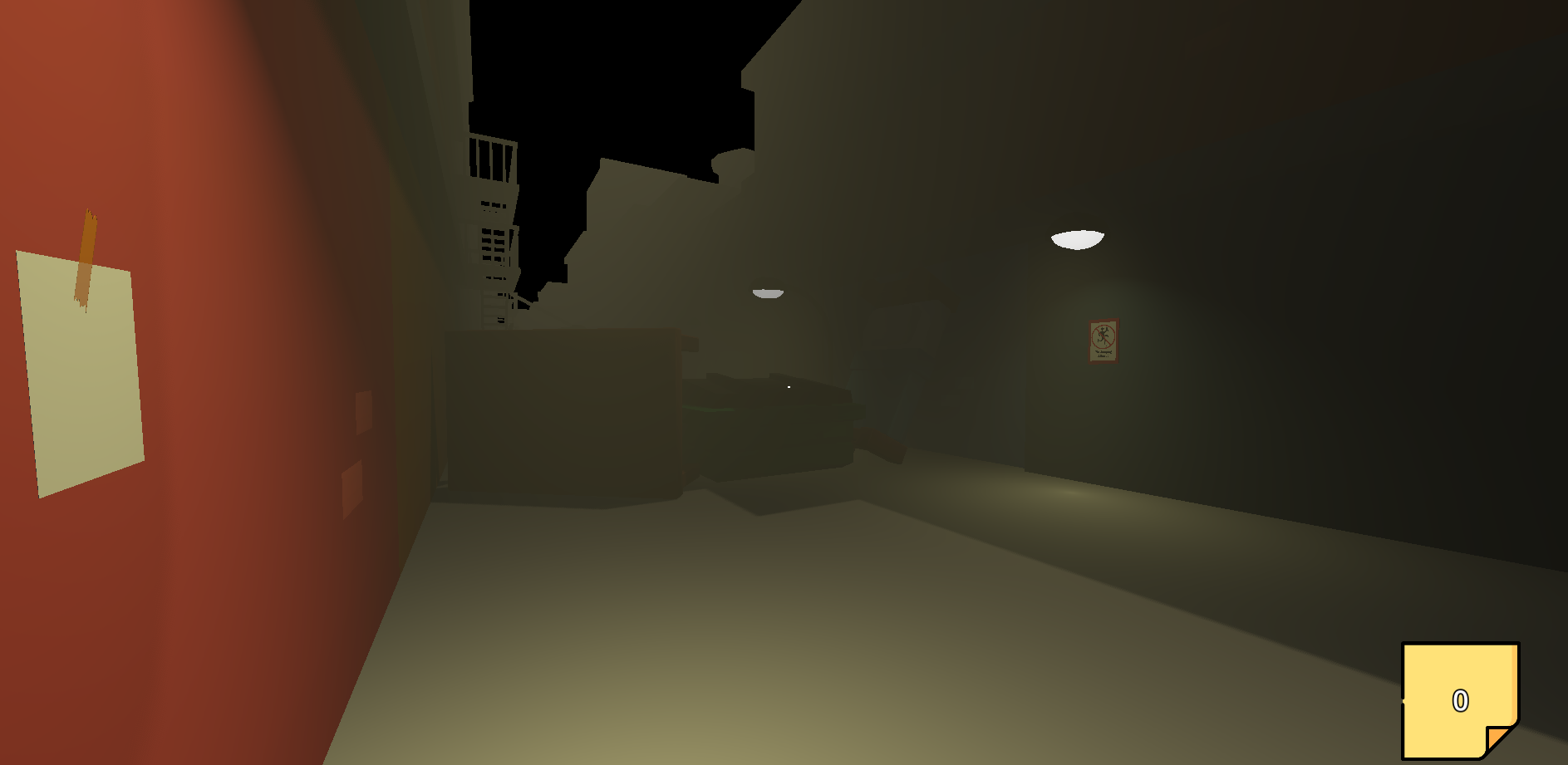
Peer & Lecturer Reviews
"Super cool concept, I love the puzzle mechanics. Very well polished, and looks super clean."
"Loved the mechanic and controls, covering signs to enable movement was very smart."
"I really like the originality of ignoring rules by covering signs."
Vision, Code Style & Execution
Game Vision
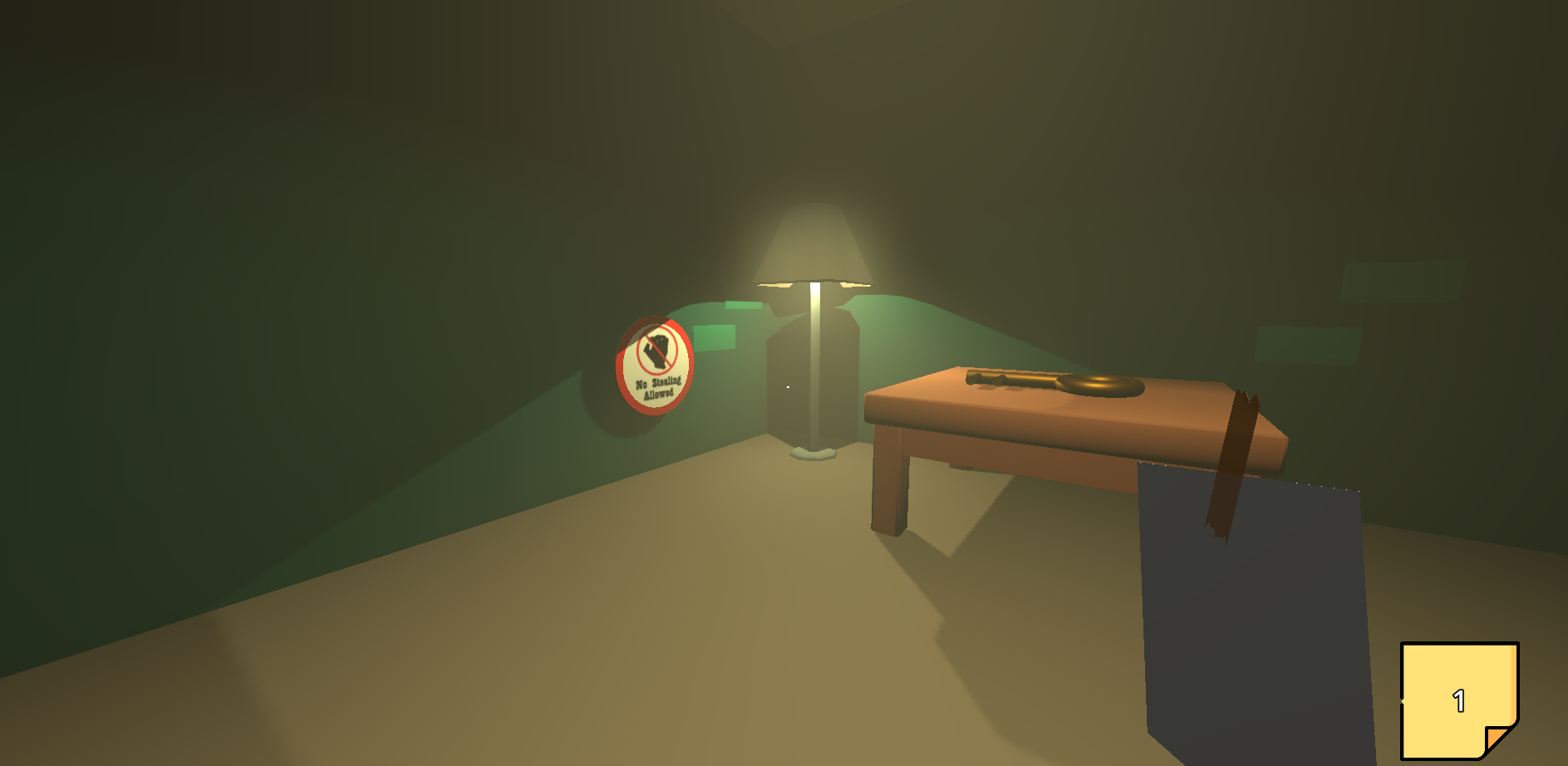
Created for a three day University of Twente Game Jam around the theme “It’s about perspective(s)”, Out of Sight, Out of Mind (OSOM) puts players in a mysterious urban alley trying to reach the end.
Along the alley, environmental signs enforce strict rules (No Jumping, No Sprinting, Door Locked, No Power). Based on the core idea that what you cannot see no longer restricts you, players collect sticky notes and place them over the restriction text, hiding the rule from view, altering reality, and granting new abilities to solve spatial puzzles and reach the end of the alley.
Code Style & Modular Architecture
I built the game in the Godot Engine, and since we only had 3 days, I knew things could get messy fast. To avoid spaghetti code, I focused on keeping the scripts modular with a single responsibility. Instead of hardcoding dependencies between nodes, I used event signals to let components talk to each other cleanly. I also centralized the game rules and state transitions into dedicated managers, which made adding or tweaking new puzzle mechanics super fast and completely bug free. The interaction handlers, grabbing physics, and UI feedback were all split into their own separate modules.
Technical Execution & Game Feel
The lecturers and my peers gave us a 9.1/10 specifically for execution, mostly because of how cohesive and responsive the game felt for something made in 72 hours. I put a lot of effort into the tactile game feel. I made sure the first person camera was smooth, the physics for grabbing and holding items in both hands felt natural, and the visual feedback was clear. I tied it all together with screen space outlines for interactive objects, moody atmospheric lighting, and sound loops that really sold the environment.